I'm noticing an interesting trend now that I've been heads down in AI for the past 14 months.
There are 2 types of people in the world of AI.
Type 1) The builders
These are the folks with a traditional engineering background. The ones that know code and databases. The ones who traditionally spend most of their time behind a screen and not interfacing with customers.
Type 2) The sellers
These are the ones who know how to sell but couldn't code their way out of a wet paper bag (I fall into this category). Give them a good product or offer and they can pitch it to anyone but ask them to actually build something and they struggle.
AI was SUPPOSED to make Type 2 competent in Type 1 activities. And while that is true to an extent, it has also created a bigger problem:
Knowing what "good" looks like.
I know how to use Claude Code and Codex. I can vibe code just about anything given enough time and tokens.
But as soon as I hand it to my business partner Nick (Nick was a software dev at Vanguard for 14 years, so he is a hardcore Type 1), he tells me the code sucks and ends up spending hours fixing it on the back end, EVEN THOUGH it looks good on the front end.
So I think this presents an interesting opportunity for both Types, as well as an interesting way to think about work and entrepreneurship in the future.
For one, the traditional advice has always been "double down on your strengths and don't worry about fixing your weaknesses". I've always been a firm believer in this. But I think AI has made this a bit more nuanced.
I still think the sales guys should double down on being great at sales. I still think the engineers should double down on being great engineers. But I think now more than ever there's a huge amount of value in at least being competent in the skillset of the opposite Type.
This means knowing what good code looks like if you're a Type 2. And knowing how to have impactful sales conversations if you're a Type 1.
Of course you could (and should) layer on other capabilities past those but I think those are the 80/20 of what make each Type successful.
As for the future of work, we're already starting to see companies hiring both types, but they tend to skew the job requirements towards one or the other.
Just last week I placed 2 AI Operator Academy community members into interviews with companies looking for Type 1 talent. BUT, both of these folks needed to develop Type 2 skills to have a sales conversation with the company on why they're the best fit for the project (a skill both of them have learned over the past 3~ months of being in our community).
I've been thinking a lot lately about how we can continue to facilitate these types of introductions because the demand seems to be huge.
For the folks who want to start their own AI business, the opportunities are endless.
But for the ones who would rather be an extremely well-paid freelancer or land a six-figure role as the in-house "AI guy" at a forward thinking company, you'll need to learn how to build AND how to sell.
In summary:
- There are 2 types of AI people: Type 1 (Builders) and Type 2 (Sellers)
- Most folks fall heavily into one type vs. the other but the ones who develop competence in both are extremely well positioned as business owners OR as extremely well paid freelancers/employees
- Upskilling yourself towards whichever Type you're weakest in is your highest leverage opportunity for growing your career opportunities
- If you refuse to upskill yourself in your weak Type, partner with someone who's your pure opposite
As I continue to think through what this looks like at scale, I have one ask for you:
Reply "yes" to this email (regardless of your Type) to tell me whether you'd want to get matched with AI roles or projects, learn the skills of the opposite Type, or both.
I haven't built anything around this yet and I'm not promising anything. I just want to see how many of you are interested so it can guide where we go next.
- Corey
A few notes/tweets/cool things sourced from the AI community.
1)
|
7:40 AM • Oct 31, 2026
1063 |
Retweets |
12336 |
Likes |
|
|
Sage advice from Gemini.
2)
|
6:14 PM • Nov 1, 2026
3912 |
Retweets |
43278 |
Likes |
|
|
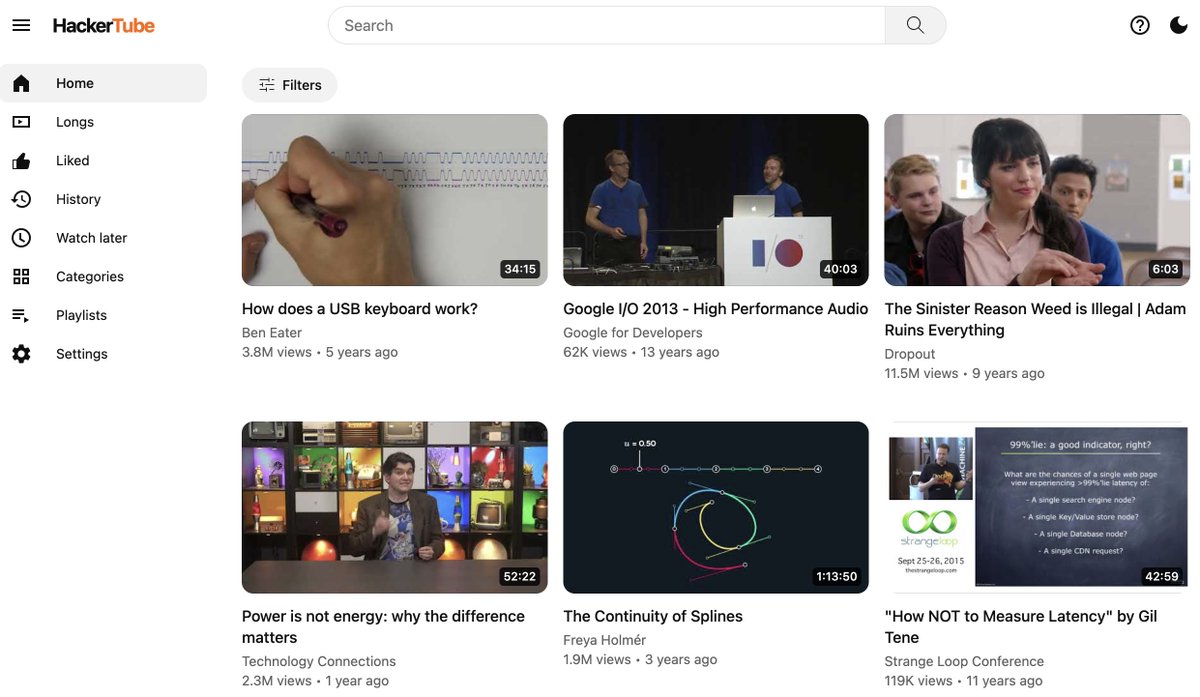
Karpathy built Hackertube.
3)
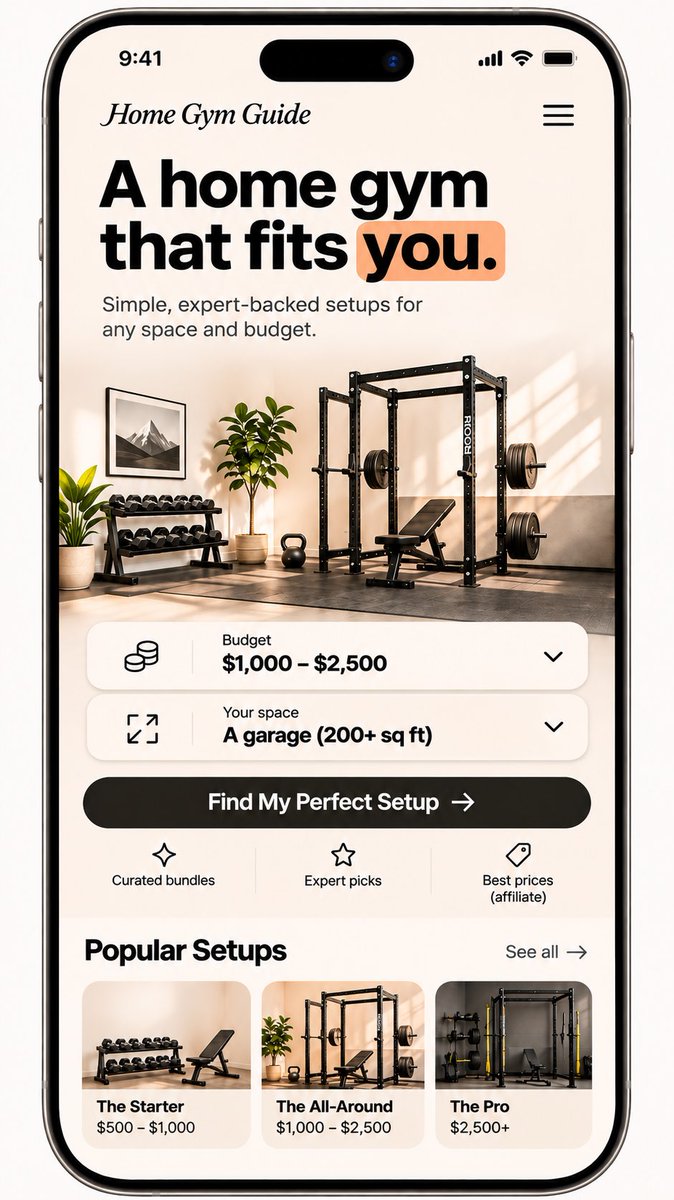
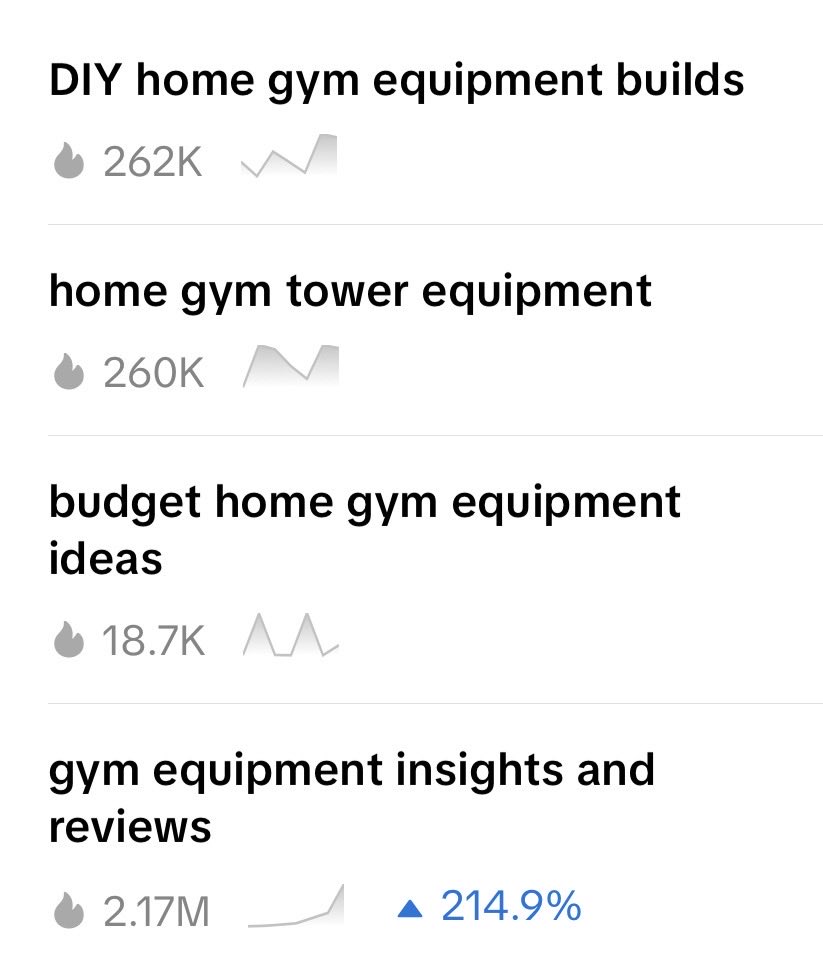
If someone builds this I'll be your first customer.
Thanks for reading the Corey's Notes newsletter. I'd appreciate it if you sent it to a friend that might find it interesting.
Be sure to check out t he Build With AI podcast on Apple, Spotify, and YouTube. If you're a non-technical entrepreneur who wants to learn how to integrate AI into your business, you'll love it.
Be back next week.
-Corey